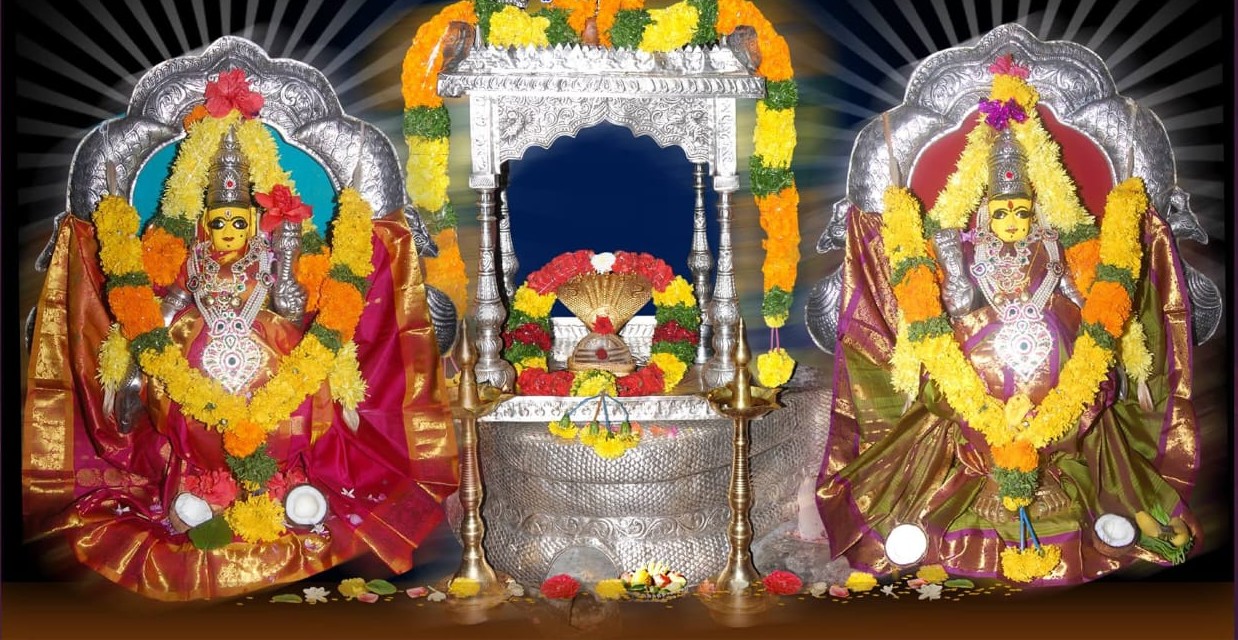
Swayambhu Lingam
The subterranean sanctum houses the self-manifested Bala Subrahmanyeswara lingam resting on its original anthill base.

Sri Subramanyeswara Swamy Temple at Mopidevi honours a swayambhu Bala Subrahmanya arising from an anthill. Devotees visit for Rahu–Ketu shanti, Shanti Kalyanam, naga pratishta, and vibrant celebrations of Subrahmanya Shashti, Nagula Chavithi, and Kartika Deepotsavam.
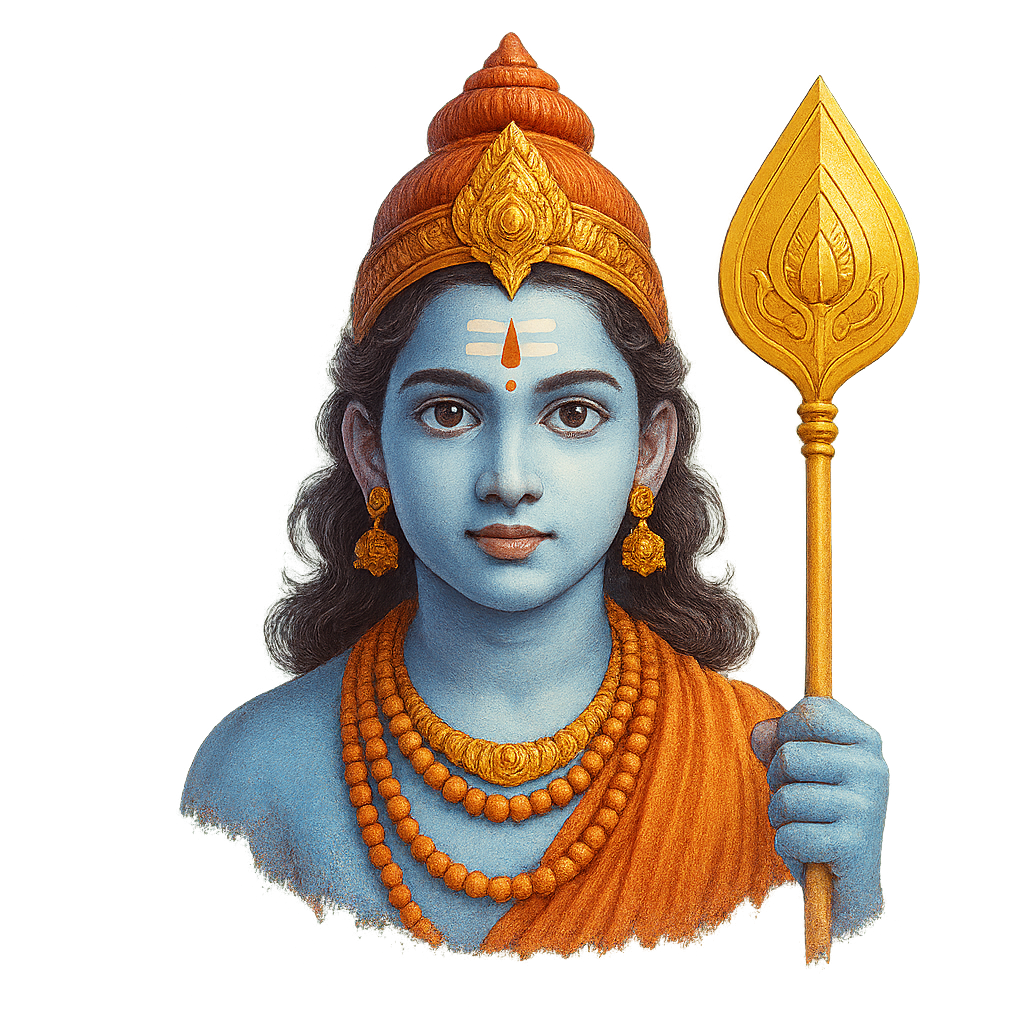
Blessed by Sage Agastya’s southern pilgrimage, Mopidevi remains a revered shrine of Bala Subrahmanya — renowned for serpent harmony, Shanti Kalyanam, and blessings of progeny and wellness.
The Sahyadri Khanda of the Skanda Purana acclaims Mopidevi as “the foremost Kumara Kshetra to the east of Vyagrapuram where Lord Subrahmanya grants both bhukti and mukti.” Sage Agastya is credited with revealing this sacred site.
Responding to the devas’ plea for universal welfare, Agastya departed Kashi with Lopamudra and headed south. On the way he instructed the proud Vindhya mountain to remain bowed until his return—a symbol of humility in service of dharma.
Travelling along the Krishna river, the sage noticed a radiant presence east of Vyagrapuram (present-day Puligadda). Serpents, peacocks and mongooses lived together in harmony, which he described as a sign of peace, equality, kundalini energy and higher wisdom.
Tradition narrates that the Lord later performed penance here in serpent form to expiate a minor lapse. To keep the penance hidden he filled the landscape with anthills, imbuing the land with serpent-friendly energy.
Centuries later the self-manifested lingam remained concealed until the devout potter Veeravarapu Parvathalu dreamt of the Lord, excavated the anthill and re-established worship with daily clay offerings.
The region once called “Mohinipuram” for its ability to enchant devotees eventually became “Mopidevi,” a name that continues to draw pilgrims seeking the Lord’s grace.
The subterranean sanctum houses the self-manifested Bala Subrahmanyeswara lingam resting on its original anthill base.
Devotees observe Shanti Kalyanam for marriage prospects, while childless couples seek the Lord’s grace for progeny and family harmony.
Many testimonies credit the Lord with alleviating eyesight ailments, skin conditions and persistent ear disorders.
Pouring milk over the sacred anthill is considered supremely meritorious. Sundays, Tuesdays, Thursdays, Nagula Chavithi, Skanda Shashti and Kartika Masam attract massive crowds.
The sage identified the eastern stretch of Vyagrapuram as the serenity-filled abode of Subrahmanya, symbolising kundalini energy and spiritual equality.
To correct a minor lapse, the Lord performed penance in serpent form, surrounding the land with anthills and infusing it with divine serpent harmony.
Following a dream directive, the potter devotee excavated the hidden lingam and reinstated worship, offering clay-crafted tokens every day.
Rahu–Ketu rituals, serpent-dosha services and improved travel facilities have transformed Mopidevi into a major pilgrimage centre.
It is said that the Lord’s penance in serpent form fostered a unique harmony—serpents, peacocks, and mongooses coexist peacefully here, a phenomenon sage Agastya himself witnessed and explained.
The timeless tradition of performing milk abhishekam over the anthill honors this secret penance, keeping the memory of the swayambhu lingam alive through the ages.
Pilgrims flock to Mopidevi seeking blessings for every aspect of life. Key observances include:
The temple is open daily. We recommend planning your travel and booking poojas in advance, especially during festivals.
5:00 AM – 1:00 PM, 4:00 PM – 8:00 PM.
Mopidevi stands as a beacon of hope for those seeking progeny, health, and peace. The living tradition of worship at the sacred anthill continues to weave the ancient legacy of Agastya and Subrahmanya into the lives of modern devotees.